


Storytelling Starters: Birdland
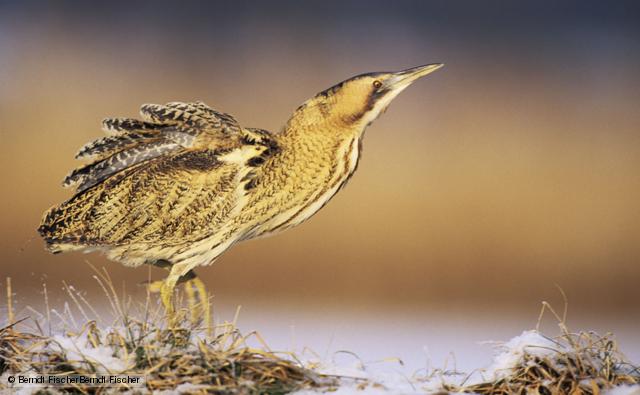
 I’m visiting booming bittern territory this weekend. Will I get to hear one? If I’m lucky. The booming bittern has been one of the most threatened bird species in the UK. Evidently, it’s now making a bit of a comeback. It belongs in the heron family, lurks in reed beds and is extremely secretive. It’s the male that makes the extraordinary noise. When I heard one in the same area a few years ago, it really did BOOM.
And then there’s the blackbirds. So intense and tuneful is their singing, morning and evening, here in our part of South London, it fills the air around us. It is pure joy.
But for this week’s blog, I promised a story about how birds came to live in trees. This story was originally told to me by a woman from Thailand in an Adult Education class in storytelling I was running at the time. Apologising profusely for her poor English, she then told the story to great effect. I’ve retold it in this blog once before, back in 2011. It bears repeating. I think it works well with Primary-age children.
TWO BIRDS IN A BEARD or HOW BIRDS GOT TO LIVE IN TREES:
There was once a hermit who went to live in a cave in order to gain peace for his meditations. While he sat there, his beard grew longer and longer. Eventually two birds who flew into the cave settled in his beard and built their nest in it.
Soon five eggs appeared in the nest in the beard. Patiently, Mother Bird and Father Bird took turns to sit on the eggs to hatch them. When the eggs hatched (and that was a noisy event!) Mother Bird and Father Bird took turns to go and find food for their chicks.
But one day when Father Bird went off to look for nice juicy worms, he didn’t succeed in his search. Wherever he looked, there were no worms. Further and further away he flew until at last, exhausted, he had to find somewhere to rest.
Searching for somewhere to settle for a while, Father Bird saw a wide blue lake below him and, on the edge of the lake, was a large white flower. Father Bird flew down into the flower and went to sleep. But when he awoke – oh dear – Father Bird found he was trapped in the flower. It had closed around him when the sun set. Father Bird was very upset. As he tried and tried to find a way out, he couldn’t stop thinking of his little chicks going hungry. What could he possibly do? But when morning came, everything changed. As the sun rose, the flower opened again and Father Bird was able to fly out. He was greatly relieved to be able to fly back home. When he got there, he went straight to his nest in the cave.
Of course, by the time Father Bird got back to the nest, the little chicks were extremely hungry. They were making a terrific noise and Mother Bird was very upset and angry. An argument ensued. ‘Where have you been? ‘I got trapped in a flower.’ ‘I don’t believe you.’ ‘It’s true, I was trapped.’
And in the middle of the racket, the birds heard a big deep voice. Its sound BOOMED out all round them, unlike anything they’d heard before. And this is what it said: ‘You two birds are making too much noise. You’ll have to go and live somewhere else.’
So who do you think it was that was speaking? Yes, the old man of course. So Father Bird and Mother Bird had to start searching for a new home for themselves and their chicks. And where do you think they ended up? Well, they ended up going to live in the trees. And that ‘s where birds (well, most of them) have been living ever since.
Making the tale sing out:
 There are so many ways – actions and sounds – to make this story boom out (in the best possible way!) when you’re telling it to children.
Actions and Sounds:
1. Demonstrate the length of the old man’s beard by moving your hand lower and lower towards the floor as the beard grows longer and longer.
2. When you get to the eggs hatching, hold your hands together in the shape of an egg and move them suddenly apart to suggest the cracking. Make a suitable cracking noise. Do this five times over!
3. As the chicks get very hungry, make a little chant of their cries: Breakfast, breakfast.. Lunch, lunch. Tea, tea. Dinner, dinner.
4. Cup your hands together to show the flower on the lake. Show it gradually opening and closing. Or, after the story, get a group of children to sit on the floor together and find a way to enact this.
5. Try out a big, low, booming-bittern kind of voice when the hermit is asking for peace.
Actions and sounds all help children to take the story in. They are especially useful for children who are learning the language in which you are telling the story. Very good questions can be asked too. What other creatures might live in the old man’s cave? Where else might the birds go to live? The good thing about such questions is that there are no right and wrong answers. They can simply be subjects for discussion.
PS: My top photo this week is of course a blackbird. The bottom one is the bittern.
3. Questions – and giving time for responses
Tags: blackbird, booming bittern, How birds got to live in trees, Thailand
June 7th, 2016 at 3:28 pm
Dear Mary,
This is such a simple but lovely story. And yes there is plenty of scope for actions and sounds. I am going to try it out for my story time tomorrow with 5-7 year old children. And I can already picture them totally engaged with their wide eyes and fantastic laughs.Thank you for sharing this story.
Warm regards,
Swati
June 8th, 2016 at 4:52 pm
Dear Swati,
So nice to hear from you. I was thinking about you the other day, wondering how you are and how you’re getting on. So it’s especially lovely to think of you telling this story to your story group. I can imagine the wide eyes and fantastic laughs! Best of luck in all you are doing.
All best wishes,
Mary