


Echoes of Mary – a Celebration
June 25th, 2022
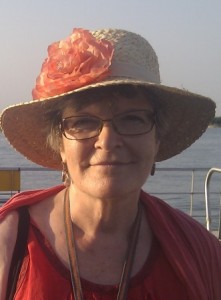 So many have said they’re hoping to attend Echoes of Mary that we’ve hired a hall for that quaintly named event the Funeral Tea.
No. not the Drill Hall where Mary and Karen Tovell ran those famous storytelling workshops; nor the London Welsh Centre scene of some notable performances by Mary and, of course, home of the London Welsh Chorale the source of so much happy singing for us both under the direction of Kenneth Bowen.
We’ve been fortunate in securing the Portico at 23a Knights Hill, Norwood, London SE27 0HS, just a few minutes walk from the Crematorium. It has a nice big main hall with a piano and pa system.
This means we’ll be able to continue with singing and stories and sharing memories of Mary . And there will be tea and cakes and there will certainly be something sparkling as well.
I’ll be posting the webcast details next week.
But, meanwhile as a reminder, the first part of Echoes of Mary will be at the West Norwood Crematorium, Norwood Rd, Norwood, London SE27 9JU on Tuesday 12th July starting at 2.30 pm.
 Dear Readers of Mary’s blog,
 Once Simon & Garfunkel had ushered us all in to Bridge Over Troubled Water the tributes from
  I think we could all feel her smiling during the aftermath – or aftersing – conducted by
  We started back in 2015, just the three of us,
  Dear readers and followers of Mary’s blog,
 Dear Readers and Followers of Mary’s blog,
 Now and then, dear readers of Mary’s Blog, the synchronisities of which you may recall Mary was very fond come thick and fast.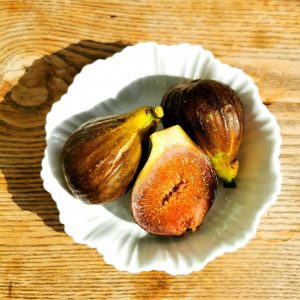
 ear Mary’s blog readers this posting comes, with apologies, a little late
 Swans, the story tells, bond for life.