


Storytelling Starters ~ Dear as Salt
 Thursday night, we went to see King Lear in the Royal Shakespeare Company production at the Barbican. It was hard and long and brilliant and Anthony Sher was a completely believable and utterly moving Lear. As his three daughters responded to his request to tell him how much they loved him, it was immediately clear what devastating effects would follow from what the youngest of them said.
Given the harsh immediacy of those early scenes, I suppose it was odd but also inevitable given the way the human brain works (or perhaps it’s just storytellers or maybe just me!) that, during them and later, a story I used to tell was hovering somewhere in my brain. The following morning, I looked it up.
Dear as Salt is a story from Bologna. It appears in Italian Folktales, the wonderful collection made by Italo Calvino. As exhilaratingly daft as Lear is tragic, it’s a story I used sometimes to tell during the years when I was storytelling at Somerset House in London. In times long past, Somerset House was where the Salt Office was housed. So in my programmes of stories of the place itself, I usually included one or other story of salt. Hence Dear as Salt which, like King Lear, also begins with a king asking his three daughters to tell him how much they love him. In the Shakespeare play, the results are devastating. And in Dear as Salt? Well let me briefly tell you the story.
Dear as Salt: an Italian folktale
A king challenged his daughters: ‘ You don’t love me!’ The eldest said, ‘I do. You’re as dear to me as bread.’ The middle one replied, ‘You’re as dear as wine.’ The youngest said, ‘As dear as salt.’
Salt? The king was outraged. ‘Take her to a forest and kill her.’ But after the king had swept off in a fury, the girls’ mother intervened. Racking her brains, she thought of a way to save her youngest daughter whose name, delightfully, was Zizola.
In the palace was a massive silver candlestick big enough for Zizola to be hidden in its base. The queen concealed her daughter in it and then, cannily, ordered a servant to take the candlestick away and sell it – not to the highest bidder but to the best-born bidder. This was done. The candlestick was bought by the son of the king of a neighbouring kingdom.
Back in his palace, the new owner of the candlestick set it up in his dining room where, night after night, after returning from parties, the prince would find the supper that had been laid out for him by his servants. But night after night, after the servants had then gone to bed and before the prince came home, Zizola would step out of the candlestick and eat her fill.
‘What is going on here? Has my food been eaten by a dog or a cat?’ The prince became angrier each evening until the evening when he decided to find out what was going on. That evening, he hid under the table before the servants put out his food and when Zizola emerged from the candlestick, he saw her and jumped out and grabbed her arm. When he demanded to know what was going on, she told him her whole story. And of course, because Zizola was very beautiful and charming, the prince immediately fell head over heels in love. At once he declared that she must be his bride.
That night, all night, the prince lay awake, thinking of nothing but Zizola and the following morning, he ordered that the candlestick be brought to his room. Then, for several days after that, he got all his meals brought to his room and, after locking the door, he shared them with the lovely Zizola. They had a very merry time.
But meantime, the prince’s mother had to eat her meals on her own. She became lonely. After repeatedly asking her son what was going on, he finally announced, ‘I’m going to get married.’ ‘Who to?’ she asked. He replied: ‘The candlestick’.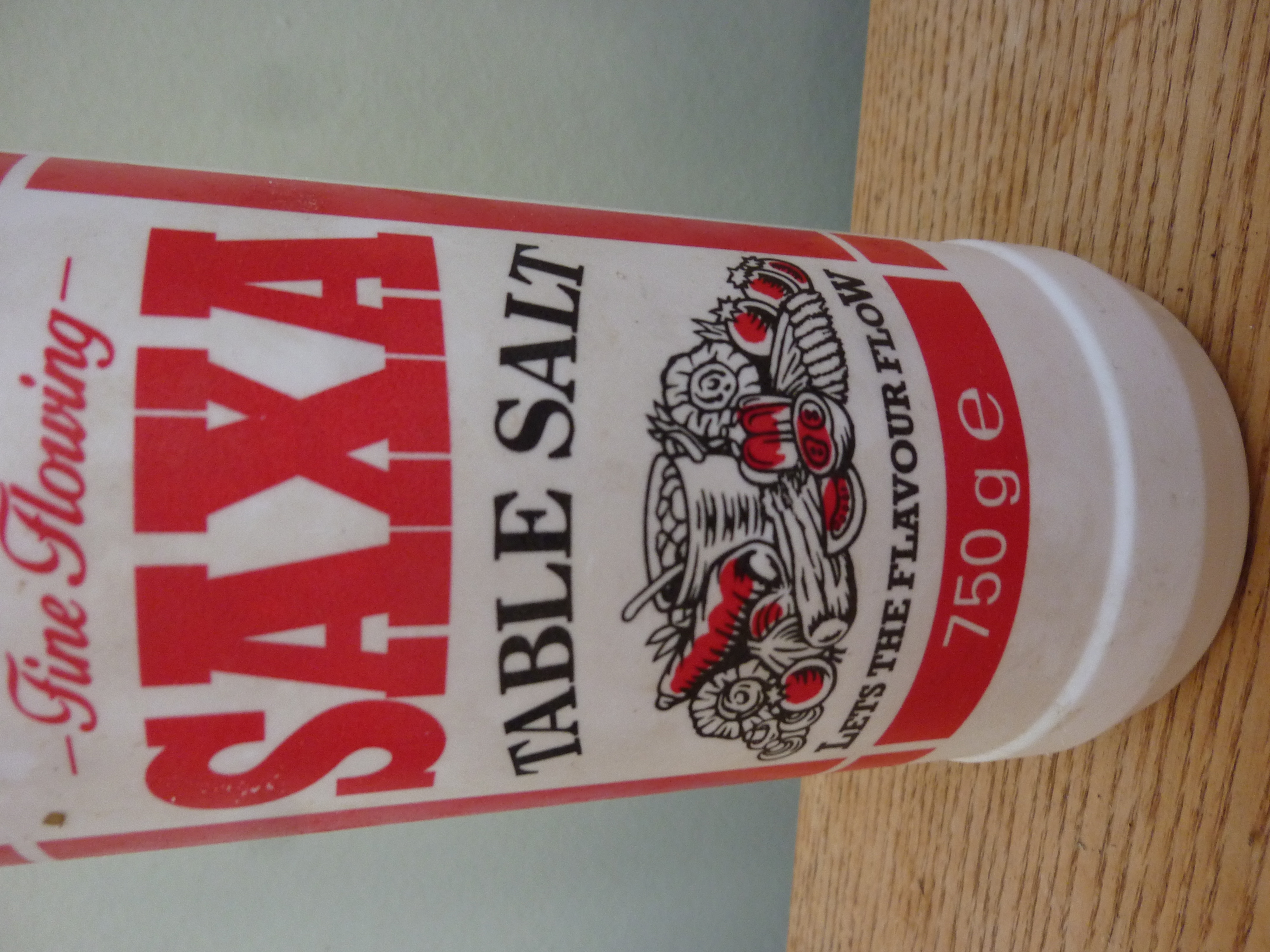
So can you imagine the scene when the wedding day came – how the prince travelled to the church in his carriage with his candlestick beside him, how the candlestick was carried to the altar and how, at exactly the right moment, Zizola stepped out?
After the marriage, which happened in private, the prince took Zizola home and when his mother heard the full story, she was extremely sorry about what had happened to Zizola and devised a plan to teach a lesson to Zizola’s father. The plan involved a huge wedding banquet to which all the neighbouring kings were invited.
But what was the food that was served to Zizola’s father? Why, nothing more and nothing less than food that contained not one single grain of salt. Of course, Zizola’s father had great difficulty eating it (he was Italian, after all, and like all Italians he loved his food) and, when he worked out why this food tasted so awful, he began to feel extremely sad as he remembered what his youngest daughter had said to him before he’d ordered her to be slain.
Now he burst into tears. The prince’s mother asked him what was wrong and when he’d confessed, she summoned the little bride. Great joy ensued, Zizola’s mother was sent for as well and, after that, a party happened every day.
So that’s how the story ended except that, in true storytelling style, Italo Calvino added, ‘And I do believe everyone is there to this day and still dancing.’
The End – and I hope the story acts as a reminder that daft ideas can be very entertaining just as sad ideas can be very moving. The world of stories needs both. So do we all.
Tags: Anthony Sher, Barbican, candlestick, Italian Folktales, Italo Calvino, King Lear, salt
November 19th, 2016 at 9:31 pm
Hi Mary
I have to confess your post had me reading Calvino’s version in full this morning. Have often passed over this tale in other compilations. Dismissed it as slight … and now I recall being disappointed with the answer my father gave me when asked a similar question!.
Agree whole-heartedly with the need for entertaining stories, and appreciate again Calvino’s quirky way of retelling. Here’s to more quirk!
Thanks again
Meg
November 25th, 2016 at 1:17 pm
Meg, I love the idea of ‘more quirk’. I’ll add it to my image store. Thanks. Mary