


Storytelling Starters ~ In the City of Rome
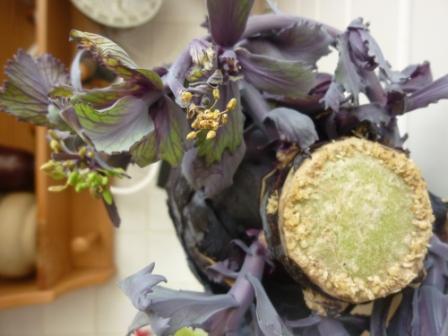
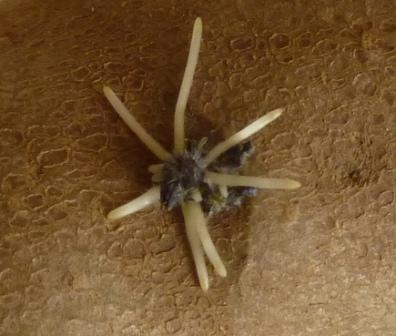
 Ideas can sprout like potatoes – which is why, this week, my photos include a potato that sprouted in my vegetable rack, plus a red cabbage I neglected too long which has by now put forth such beautiful tentacles that I thought it deserved some photos too.
A storytelling game which definitely encourages ideas to sprout is the one called ‘In the City of Rome …’ Goodness knows if that’s the game’s real name. But that’s the way I’ve remembered it and that’s the way I’ve played it.
Who’s it for?
It’s suitable for fairly small groups, maybe up to about eight people.
How does it work?
In the version of the game that I remember, there is a fountain at the beginning. So the first person starts off with ‘In the City of Rome, there was a fountain …’ and then offers it to the second person to add something on. That person once again begins from the beginning and again adds something new. And so on and on until the story is brought to a conclusion. As with the other games I’ve been describing here in previous weeks, the group may need to be reminded – or to remind itself! – that stories have a need of endings. An ending may need to be prompted.
Why does it work?

I think the success of this game comes from the repetition that is required as each participant takes up what has previously been said before adding his or her own contribution. The repetition makes it different from the much more common version of the ‘Add Something …’ game where people do not start from the beginning each time but simply add to what’s gone before. ‘In the City of Rome …’ is, in my view, easier and more fun to play. Repetition gives time for gestation. It also nurtures confidence, inspiring new ideas to burst forth.
An example?
(Obviously I’m working on my own here. I haven’t got a group around me. So I just have my own fantasies as my seed potato.)
In the city of Rome there was a fountain and beside the fountain there was a little stone statue.
In the city of Rome there was a fountain and beside the fountain there was a little stone statue of a cherub.
In the city of Rome there was a fountain and beside the fountain there was a little stone statue of a cherub. The cherub decided he wanted a wife.
In the city of Rome there was a fountain and beside the fountain there was a little stone statue of a cherub. The cherub decided he wanted a wife and the very next night he lifted his little stone wings and flew away from the fountain.
In the city of Rome there was a fountain and beside the fountain there was a little stone statue of a cherub. The cherub decided he wanted a wife and the very next night he lifted his little stone wings and flew away from the fountain to a nearby piazza where a beautiful sea nymph made out of bronze sat beside another fountain.
 (Time to let my group-less fantasies flower…)
The little cherub said to the sea nymph, ‘Please come with me and be my love.’ And the sea nymph agreed for she’d always felt lonely, far away from the shore and the kinfolk she imagined she’d find in the waves. So the lonely sea nymph agreed to go with the cherub and he lifted her up and flew her back to his fountain.
When they arrived, the little stone cherub invited his nymph to share the stone plinth that had been his home as long as he could remember. But alas, his plinth was not very big and as the sea nymph was trying to settle herself on it, she fell and crashed into the fountain. As she landed, her beautiful bronze body cracked open and fell in two pieces like a broken egg-shell. Alas! Nowadays lonely lovers often visit the fountain to sit and stare at the cherub (the sea nymph has long since been removed) and watch the tears that endlessly well up out of his eyes. They look like glistening pearls as they drop tear by tear into the glistening waters.
The End.
Links:
You can also read occasional blogs by me on the Early Learning HQ website. Early Learning HQ offers hundreds of free downloadable foundation stage and key stage one teaching resources. It also has an extensive blog section with contributions from a wide range of early years professionals, consultants and storytellers. For details of the Society for Storytelling, click here.
Tags: Creating atmosphere, importance of endings, In The City of Rome
June 8th, 2012 at 11:42 pm
I think the story of the cherub and the nymph is exceptional!
Enjoy Venezia!!!
Love
Larry J