


Storytelling Starters ~ Making Connections 4
 Christmas is coming and the geese are getting fat. And if you come back next week, you’ll find the first of three Christmas-time Blogs. Meantime, the last of this Making Connections series is about making up new stories – and, of course, it includes some keys.
Some keys to making up new stories
Some people blanch at the idea of making up new stories. Sor others, it’s what storytelling is all about. I personally cannot imagine spontaneously making up a new story in front of an audience – not unless it’s an audience of children and I get them to help me create a story between us. Yet I’m tremendously happy to sit at home and make up a story for telling in response to some special request for a story, maybe about a particular place or for some special occasion. And I’m very prepared and delighted to make up a story in writing, be it a children’s novel or a short piece of adult fiction. Funny, isn’t it, this business of what we can and cannot do?
Fortunately, there are some simple techniques and patterns to help us with making up stories on the spot and enabling others to do so. These include the wide variety of storytelling games which will make good subjects for future Blogs.
Here, meantime, is one sure-fire method for story-creation which draws on the magic of objects – and, since keys have been a major theme of this current set of Blogs, a key is one of the objects I’m choosing to illustrate how the idea works.
Take a look at these objects:

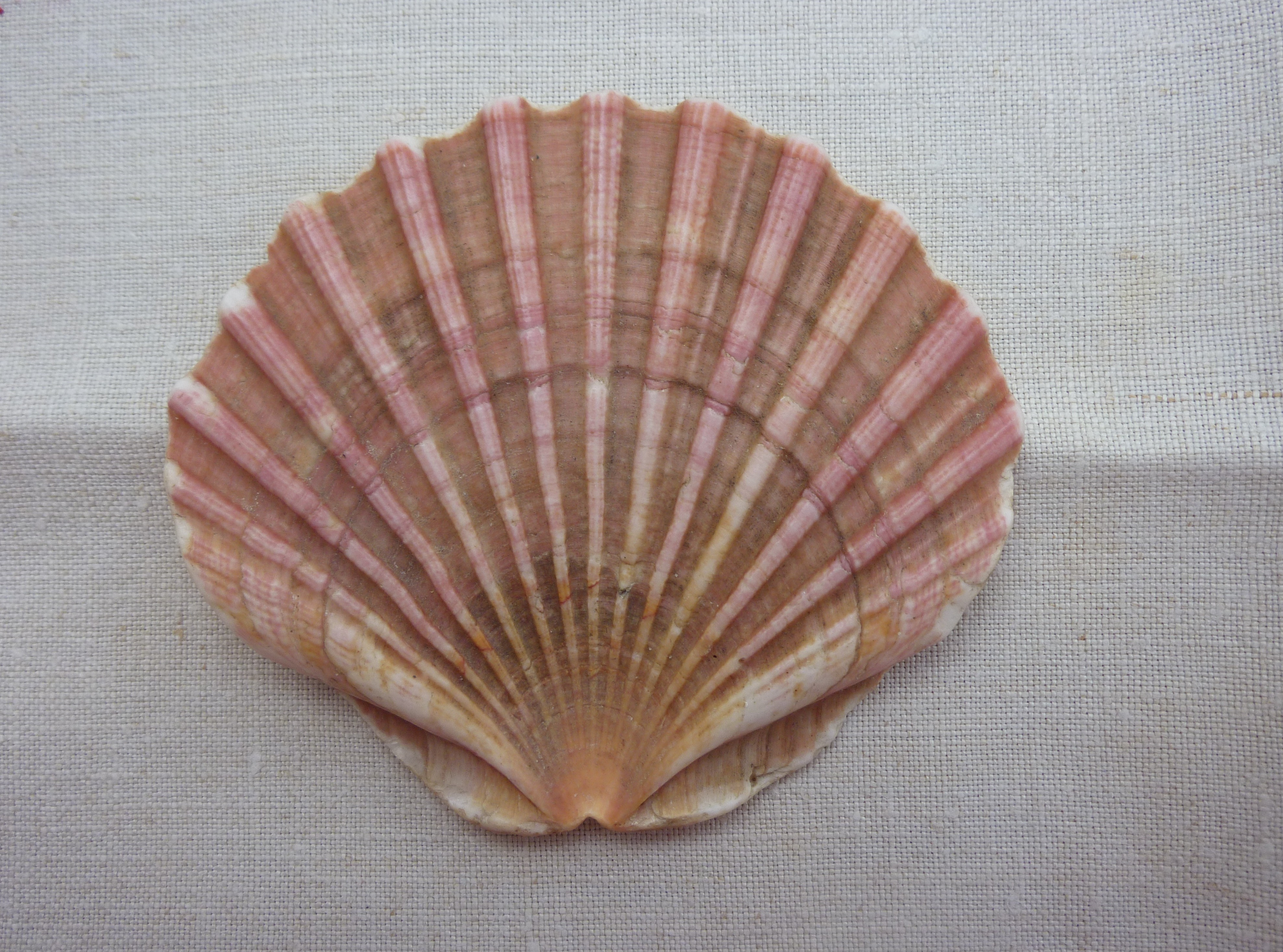
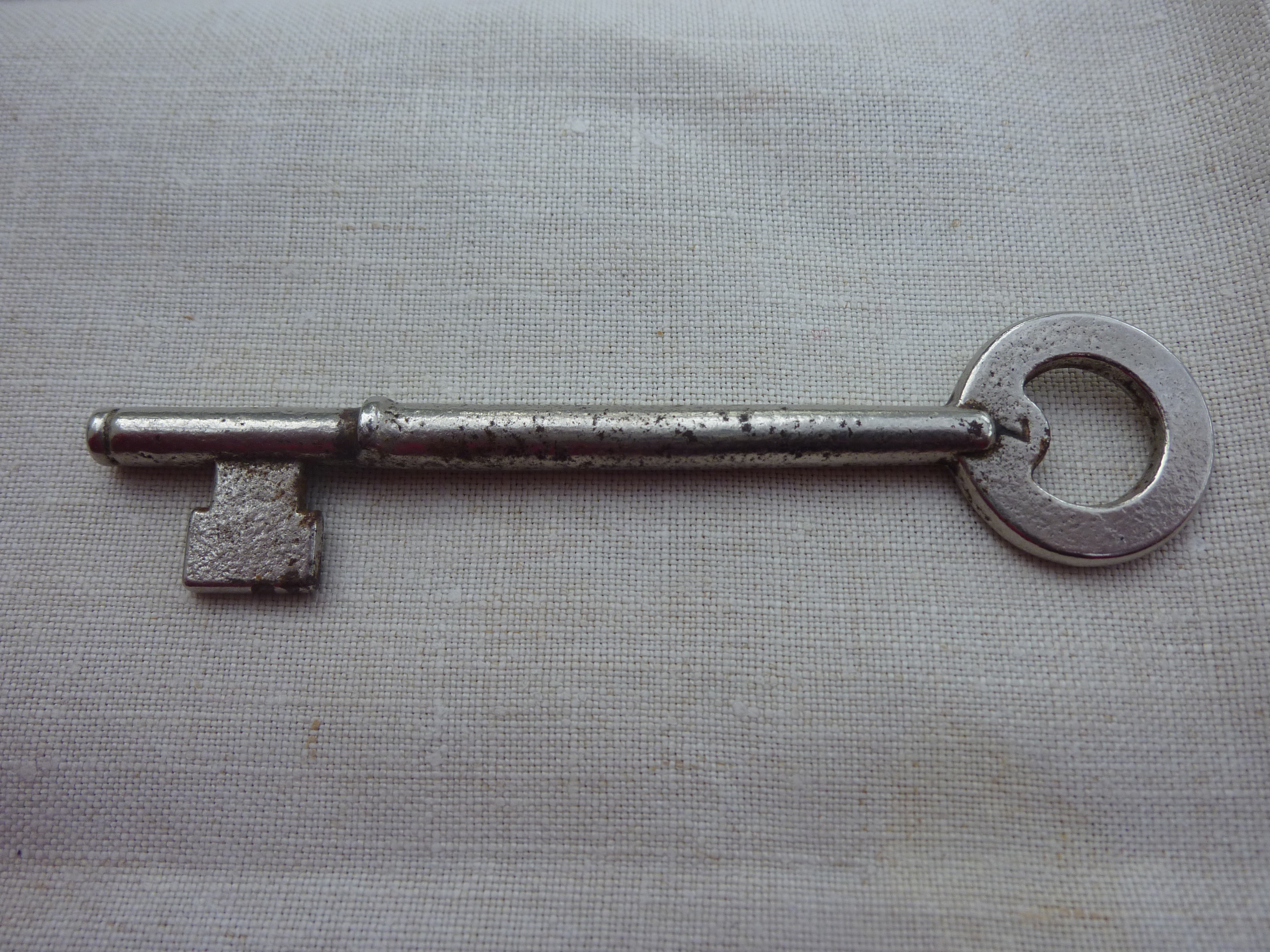
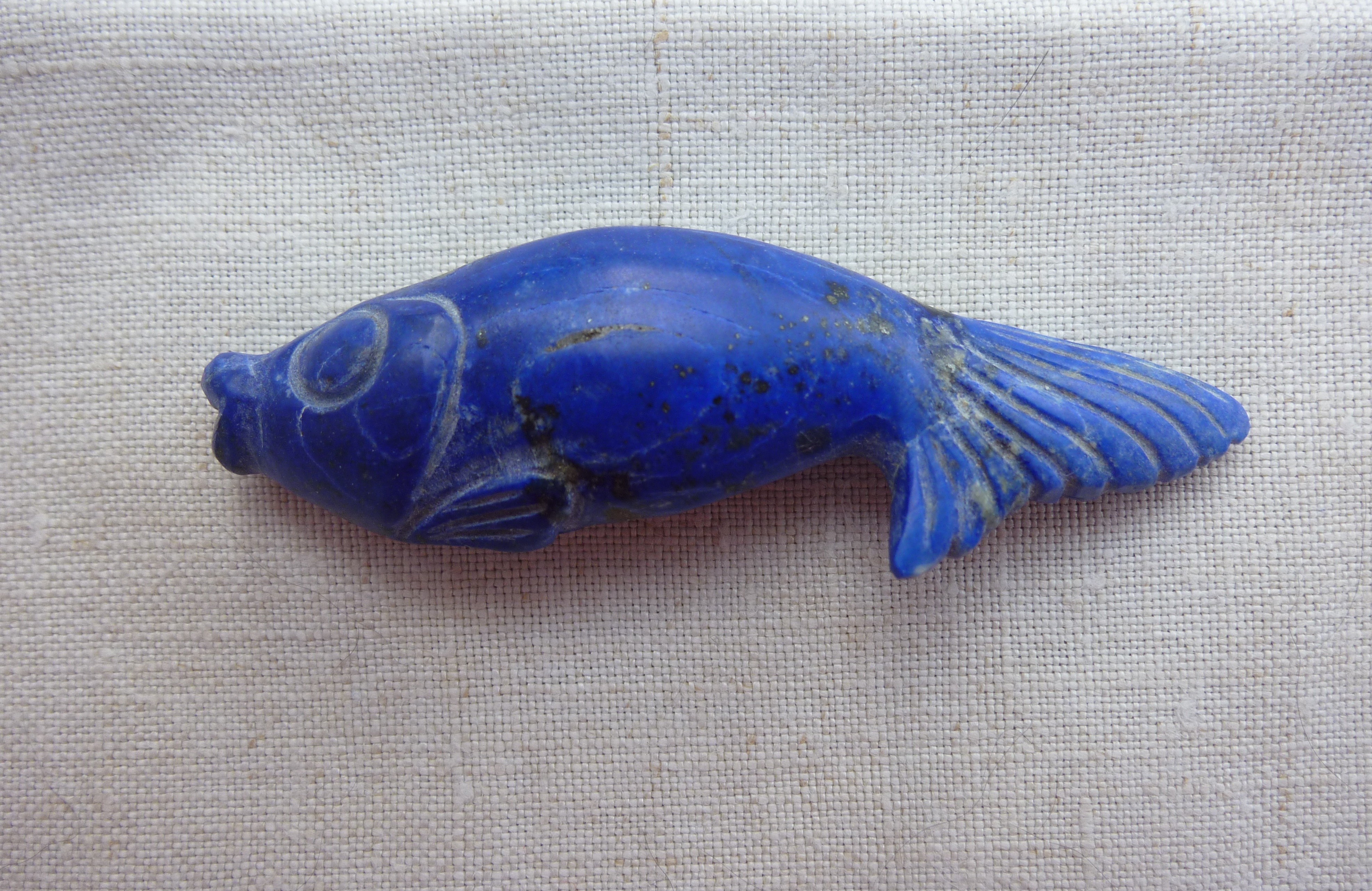
What to do next:
Try connecting the objects in my photo to form a story. You might find that one of the objects – the bird? the fish? – becomes the central character in your exploration. Or you might prefer to create a person – a boy? a girl? an old woman? – whose story is resolved with the aid of the objects. In either case, one important key to success is not to censor yourself before you’ve started by worrying about being original. Just let the story happen and allow your imagination to make the links. Then perhaps try telling the resulting tale to yourself or others.
 Where there’s one set of objects, there could be others. If you work with children and think all or some of them might enjoy this technique, you could try putting together some different sets of items to let them have a go in groups. If it’s adults you work with, you might try the idea in a story-making workshop. Perhaps include a piece of fabric (fabric is always suggestive). And certainly think about suitable containers or wrappings in which to present your selections of objects – looking inside and seeing what’s there gives people enormous pleasure.
To introduce your group to the exercise, simply describe the general idea, then hand out your various bundles of items. When your groups have used up the time you’ve allotted (how about 10 or 15 minutes?), warn them that time is nearly up and invite them to get ready to tell their stories – but only if they’d like to do that. Allow them another few minutes to get themselves ready and then start the storytelling. I’ve heard hundreds of stories that have been produced this way – by parents, nursery workers, teachers, storytellers and all ages of children. In my experience, it never fails. It’s often hilarious and sometimes deeply touching.
Tips for helping with the making-up process:
1. Stories need to have endings.

It’s important to remember the importance of endings especially when you’re working with children. We all know that some children’s stories go on and on and on. You think they’ll never end. And they probably won’t unless you come to the rescue by saying in a quiet but clear Chief Storyteller/Rescuer’s kind of voice: “Now the story needs to find an end. What do you think it could be?” Then remind the storyteller of where the story began, for the end of a good story always has some kind of link with how it began.
Exactly the same thing applies when a whole-group story is being created. Some teachers like to try making up stories with the children in a circle, each child having a turn to add a new bit of story. So the story begins and goes on, passing to the next child, then the next and the next. Quickly it gains momentum. But as often as not, it starts to flag as one thing after another gets added. Everyone begins to tire. So it’s time to make the point: “Now the story needs to find an end. Let’s think what it could be?”
Another useful technique to help bring a group story to a conclusion is to allow a brief period for what I call ‘And/Or’ suggestions. This enables a suggestion to be put forward and to be pursued – And…and…and – until an alternative idea – an ‘Or’ – is suggested. This thread too can then be pursued alongside the other if it seems to have potential. With lots of minds working and multiple suggestions, things tend to move very quickly. As Chief Storyteller, you have the right to close it all down fast at any time by sticking with one of the many suggestions. Meantime, you’ve all had the fun of exploring wildly different and often completely contradictory notions.
2. There’s no such thing as a ‘new’ idea. Besides, ‘silly’ ideas are sometimes the best ones.
Storytellers are like hunter-gatherers. It’s vital to recognise this. Storytellers range the whole world for ideas, including the ideas of all the other storytellers they’ve ever come across. Originality of ideas is not exactly the issue. (More to the point is how they’re arranged and expressed.) So when you’re working with a group of people, it can be extremely helpful to facilitate a general sharing of ideas and explicitly to allow participants to ‘borrow’ someone else’s idea as a starting-point.
 Children often have wonderfully whacky ideas. The challenge is to help shape them into a finished story and to try not to ruin their potential. I vividly remember one occasion when a Classroom Assistant almost succeeding in wrecking a story even in the moment of its formation. A small group of shy Asian girls of about eight or nine years of age were working on producing an ending to the story I’d told them of a lad who got swallowed by a whale. (And, yes, it really is a whale in my photo to the right.) What was going to happen? One girl suddenly ventured the notion that when the boy (who had previously always been laughed at) found himself inside the whale’s belly, he suddenly remembered he had a camera in his pocket. And it was this idea of the camera that proved so pivotal for, as the group saw the idea’s potential, they saw that the boy was able to use the camera to take photos of the whale’s insides. Then when he’d swum home after the whale spat him out, everything else followed smoothly: he showed the photos to his relatives, the press got to hear of his feat and, bingo, he ended up on television.
What a fantastic story: The Boy that Photographed the Inside of a Whale! And how glad I am that I’d happened to be present when that Classroom Assistant came by and said, ‘Don’t be silly! How could the boy in that story have got a camera? They didn’t have cameras then.’ It hadn’t taken much for me to overcome the censor by saying something like, ‘Oh probably not. But what if he did have a camera, hey?’
Next Week: In The Spirit of Christmas

Links
You can also read occasional blogs by me on the Early Learning HQ website: www.earlylearninghq.org.uk. Early Learning HQ offers hundreds of free downloadable foundation stage and key stage one teaching resources. It also has an extensive blog section with contributions from a wide range of early years professionals, consultants and storytellers.
For details of the Society for Storytelling, check out: www.sfs.org.uk
Tags: connecting objects to make a story, making up new stories, simple techniques and patterns, the importance of endings