


Storytelling Starters ~ Making Connections 3

Time is key in modern life. In so many ways, we are governed by it. We keep track of it on watches and phones, schedule appointments on calendars and computers, set electronic beeps to remind us of upcoming events, timetable weekends and holidays along with our work. This week, Making Connections tells a traditional Native American story about the power that time exerts. It also suggests a key storytelling method that can help to get that power back.
Keys – and a tale for adults and older children
Background to the Story
How Mink Stole Time is a myth of the Salish people, a North American Indian people of the North West Pacific region. I myself have a personal link with Salish traditions. Some years ago, when the North American Welsh Choir asked me to suggest a story that could form the basis of a new commission for piano, choir and storyteller, I put forward a Salish story about the lifting of the sky and the bringing of light to the people. The resulting piece – Lifting the Sky – was composed by Canadian composer Victor Davies and American poet Carolyn Maddux and in its first performances in the Olympic Peninsula, I narrated the story.
When I came across How Mink Stole Time, it was not as a result of my visit to the extraordinarly beautiful Olympic Peninsula -one of the traditional areas of the Salish people. Story collecting in my experience does not often happen like that – especially when there’s performance or educational work to get on with. Rather, I came across the story of How Mink Stole Time in the Spring 1990 issue of Parabola, the American magazine on myth, tradition and meaning. This particular issue was on Time and Presence and as usual, it contained a number of retellings of pertinent myths and legends. The reteller of How Mink Stole Time was the acclaimed writer and storyteller, Joseph Bruchac.
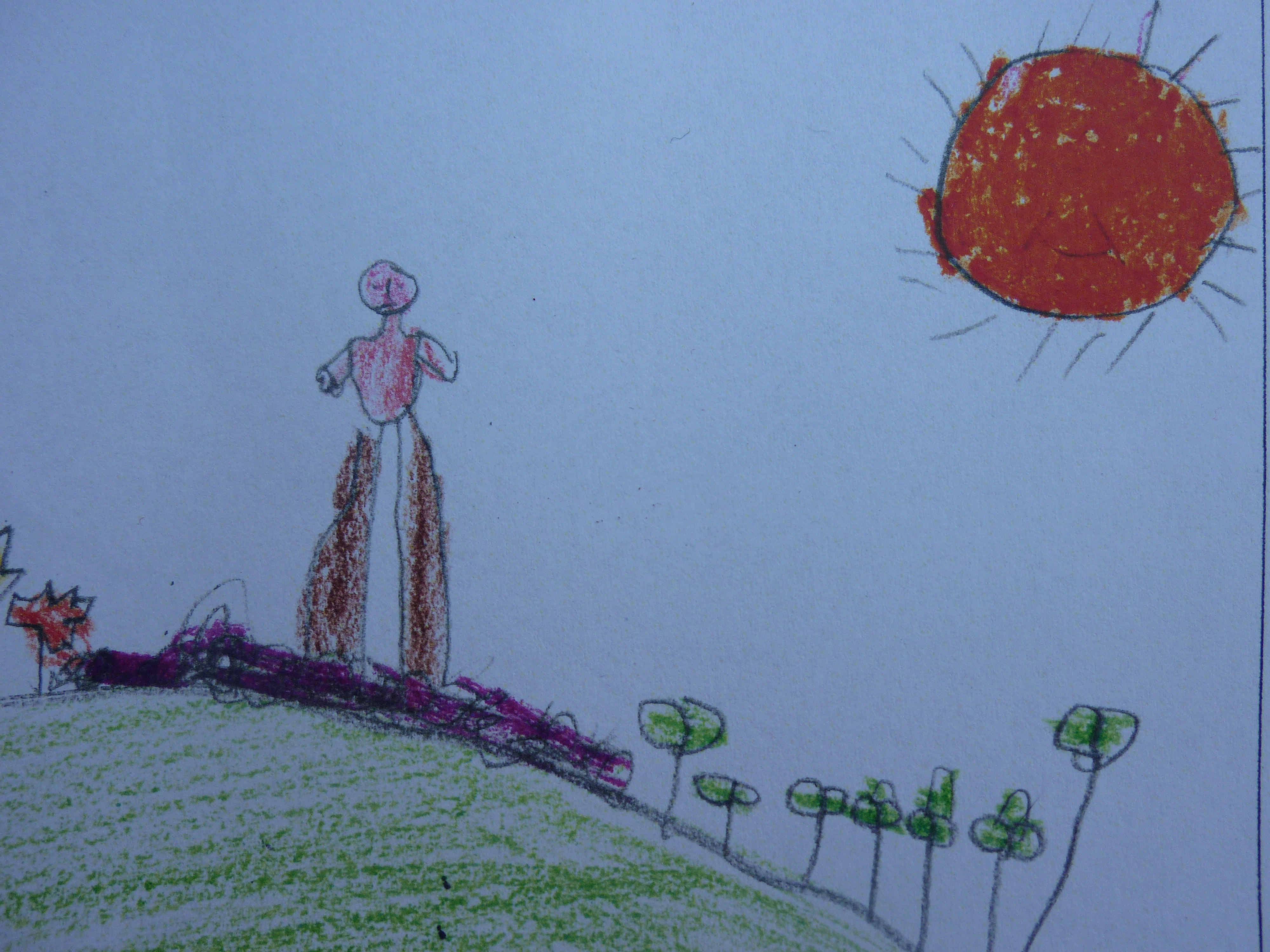 How Mink Stole Time, like the story of Lifting the Sky, is also in part about the bringing of light. Its main character, Mink, is akin to Raven who is among the Native American peoples of the North West, at the centre of numerous stories portraying him as the hero-trickster figure who originally brought the sun to a cold, dark, shadowed world. In this particular Salish story, Mink was the one who did it and who was long regarded with enormous gratitude and praised by the people. No wonder, then, that Mink eventually began to wonder if there was something else he could steal for the people in order to maintain his reputation. Nothing came to his mind until ….
The story: How Mink Stole Time
When the Europeans came, Mink and his fellow creatures could not help observing that the Europeans had a lot of power. Mink wondered what it was that they had and after a while, he saw what it was. They had something that they called Time. Mink realised that they used this thing in order to give them power and he decided he would steal it.
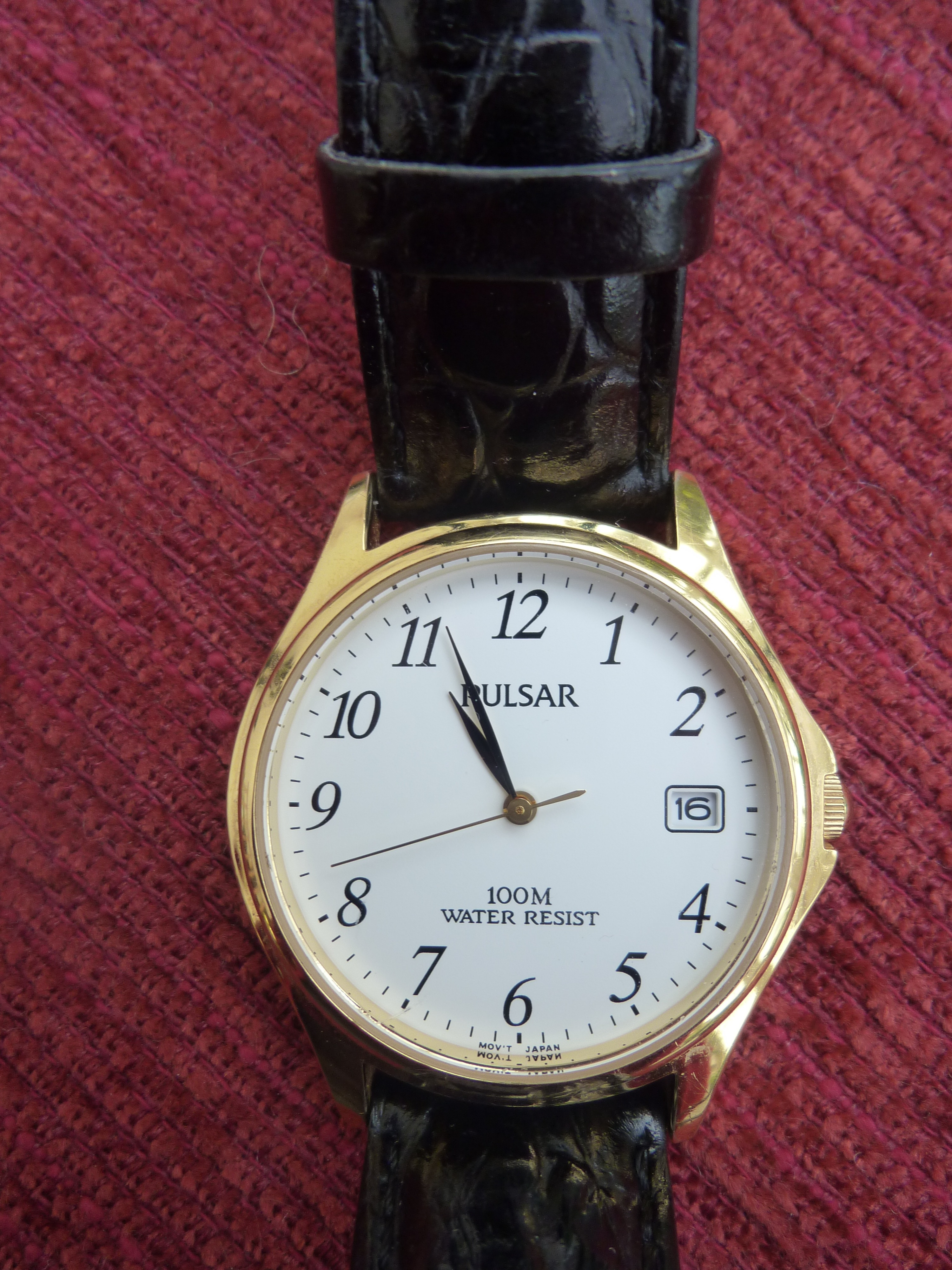
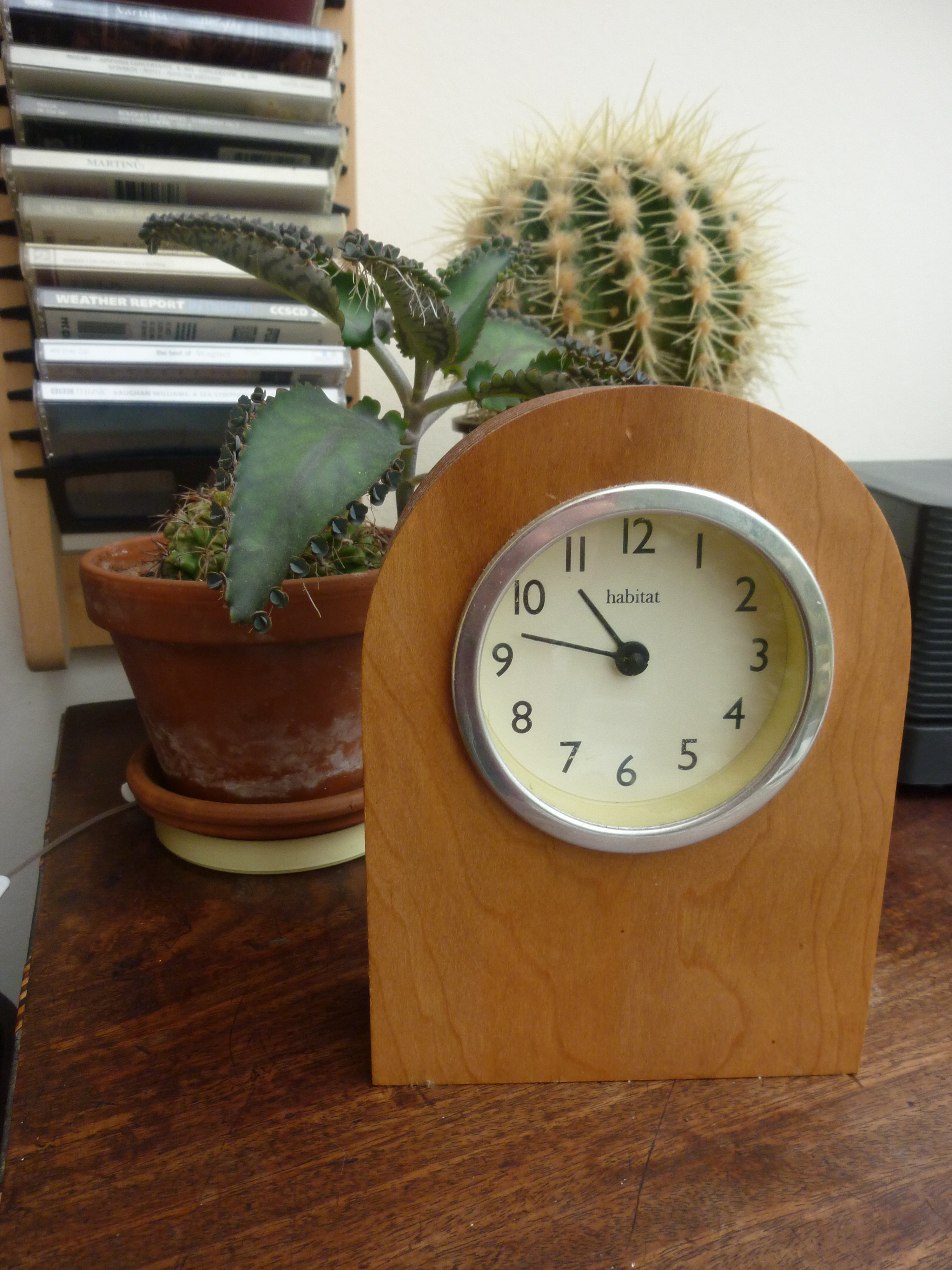 Mink was very patient. He waited until it was dark. Then he crept into the house where the Europeans lived. And there, in the largest room, he found what he was looking for. It was Time. It was kept in a box which was up on a shelf and as he watched it, it made noises. Tick …tick…tick…tick… Not only that. As the noises came out of the box, two arrows on the front of the box moved round.
It was obvious that Time was a powerful thing. Mink picked up the box and carried it off.
So Mink and the people now had Time. As they studied it carefully to see how it worked, Mink soon saw that it was not easy to have it. He had to keep watching the hands on the box to see what the time was. He had to be careful not to lose the keys that hung on the back of the box: he needed them in order to wind up the box so it would keep on ticking.
Soon, it became clear to Mink that, now that he had Time, he no longer had the time to do the things he used to do – fishing and hunting and those kinds of things. He now had to get up at a particular time and go to bed at a particular time. He had to go to meetings with his fellow creatures so they could sort out what had to be done and when it had to be done.
Before long, Mink went on to realise that he and the people were no longer free. Time now owned them. It had power over them. It owned them the way they had once owned the Sun.
So it was and so it has been even until today.
Unless…
 Visualisation is one of the most powerful keys available to storytellers. It’s a method that is used in the ‘learning’ of stories, a way to go into all aspects of a particular story so you end up feeling that it has become part of your own experience. It’s also a way to unlock time in such a way that you may afterwards feel that, during that time when you were ‘seeing’ that story, it was truly a time without time, a time without pressure or awareness of hurry when you were free to perceive things in your own natural way.
How to practise visualisation
Sit somewhere quiet, take a bath or go for a walk on your own. Don’t be precious about it. Just let yourself go into your imagination. One 10-year old girl once described it to me as ‘going further back into your brain’. You might have previously set yourself a particular subject to imagine. Why not a happy time that you remember once having? Or why not something specific like a container or bag or box of your choice? Or why not a bit of a story you’ve heard when you can now take the time to imagine the circumstances of the story for yourself? Indeed, why not the story of How Mink Stole Time?
For the story of Mink, you might like to spend a little while thinking about Mink in the old days going fishing or hunting.
- How did he feel as he sat by river or sea? (I immediately imagine him with a fishing rod, which is probably quite out of kilter with the age and traditions of the story, but serve to give me a sense of him watching and waiting and becoming alert.)
- Or you might think about going into the Europeans’ house. (My mind goes straight to my grandmother’s house and the sound of the wooden-case pendulum clock in the old living room where as a child I spent many evenings threading beads onto a thin piece of string.)
- Or perhaps you could imagine the meetings where Mink and the people have to come to decisions about how to apportion their time and who is going to do what and when. (I think of experiences of secondary schools, the nasty intervention of the bell and the harsh sound of voices coming over the tannoy.)
Affording the time
People wonder how storytellers succeed in remembering stories. There’s just one answer. You have to give them time.
Some people may be attuned to the act of storing up a story. They may be used to listening to a story being told and letting it drop into their brain. But even if they are able to do that, I bet they spend time on revisiting the story, remembering the voice that told it to them and hearing the story again in their mind.
Other people have to practise getting to know a story. And that is something that needs focused time even if it’s done in little sections. I myself think that, for all the time that is spent ‘out there’ telling stories, as much time and more is spent ‘at home’ or out walking perhaps by the sea, dwelling on the stories that either might, or definitely will, be told on any particular occasion.
 And then again, sometimes a remembered story will just pop out in the course of a storytelling session. It may be one you’ve not told for ages but it succeeds in rising freshly out of your store of stories. That’s always a bit of a miracle and, I guess, something to do with the way that stories get stored in brains that are used to dealing with stories. On the opposite side of the matter, however, is the fact that, if you don’t revisit your stories, they can gradually fall away, dropping out of memory as they drop away from active experiencing of them.
The trouble is that, in our busy lives, time can be hard to come by. I often remember a parent who joined one of my Redbridge storytelling courses. We’d done an exercise in visualisation. She absolutely loved it. I suggested that all the course members, during the following week, spend a similar period (3 minutes) quietly doing another visualisation. The next week, she came back. She was startled, dismayed, devastated. She had not been able to find the 3 minutes.
The reward for finding the time is that visualising stories can itself be a way of unlocking time, taking away its power to overwhelm us and allowing it to transform into that timeless time where it’s so enriching to be. As a young friend once said to me (he was about 12 at the time), ‘when you tell a story, it’s like the room stands still.’
Next Week: some keys to making up a story
Links
You can also read occasional blogs by me on the Early Learning HQ website: www.earlylearninghq.org.uk. Early Learning HQ offers hundreds of free downloadable foundation stage and key stage one teaching resources. It also has an extensive blog section with contributions from a wide range of early years professionals, consultants and storytellers.
For details of the Society for Storytelling, check out: www.sfs.org.uk
Tags: affording time, How Mink Stole Time, Lifting The Sky, revisiting your stories, Salish, visualisation, walking a story