


Storytelling Starters ~ Memory Work 2
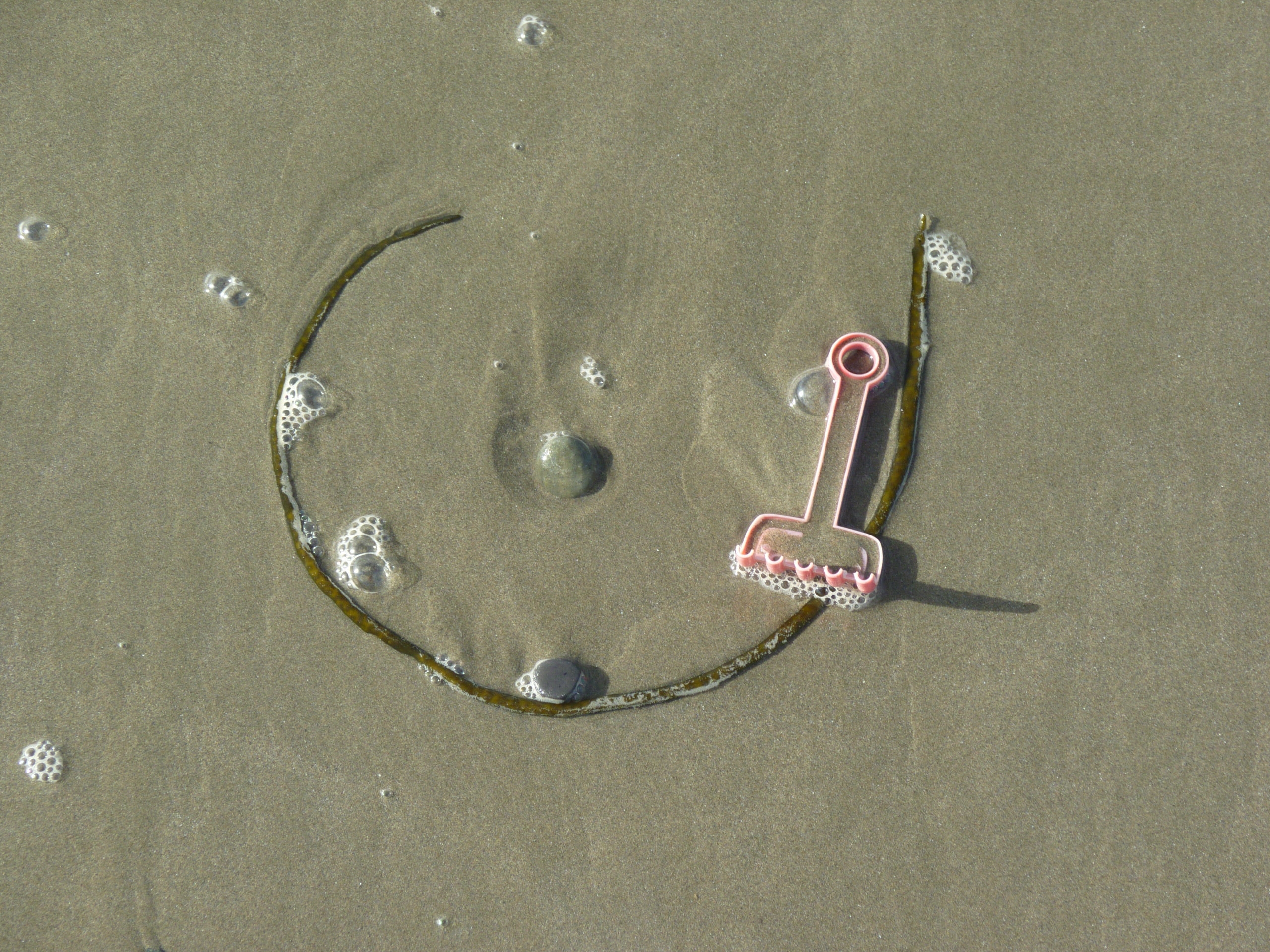 Back in London, I’ve been walking round my local park thinking about one of my favourite stories. It’s a West African story about the Sun and the Moon and how they got into the sky. Whether with adults or children, I find it a great story for telling. It’s also a highly productive story on which to base a workshop. It gives plenty of opportunities for image-rounds,visualisation, storymapping, hot-seating and other types of workshop activity which can all be seen as contributing to memory work. The story essentially deals with change, a theme which affects us all deeply. It stood me in excellent stead at a conference, now years ago, to celebrate and lament the end of the ILEA, the Inner London Education Authority, when Mrs Thatcher closed it down.
Here’s the story retold very briefly:
How Sun and Moon Got Into the Sky
When Sun and Moon still lived down on this earth, Sun used to go often to visit his friend. His friend was Water and one day Sun asked him why he was always the one to be making the visits. Why didn’t Water ever come and see him? Water said the reason was that he’d never been invited. Sun was apologetic. But when he asked Water to come and visit, maybe even that very day, Water expressed a worry that Sun’s house might not be big enough for him. When Sun assured him that all would be fine, Water suggested that Sun should go and make his house bigger. It wasn’t just him, Water explained to Sun; there was an awful lot in him besides.
So Sun went home and extended his house. But when Water finally came to visit, Water soon flooded the house. Sun and Moon ended up on the roof and, before very long at all, Moon realised that even the roof wasn’t safe. She decided she’d have to jump off into the sky and, as she went, Sun jumped on after. And that’s how it was that Sun and Moon came to live in the sky.
The problem:
Brief is no good. Telling it or hearing it in this way, there’s nothing to grip you to the story, nothing to make you laugh or cry, nothing to ponder over or remind you of anything else. Fully told, the story raises and answers many questions. (And today, my photos to accompany the story are all of things I’ve seen that Water has had in it.)
Questions:
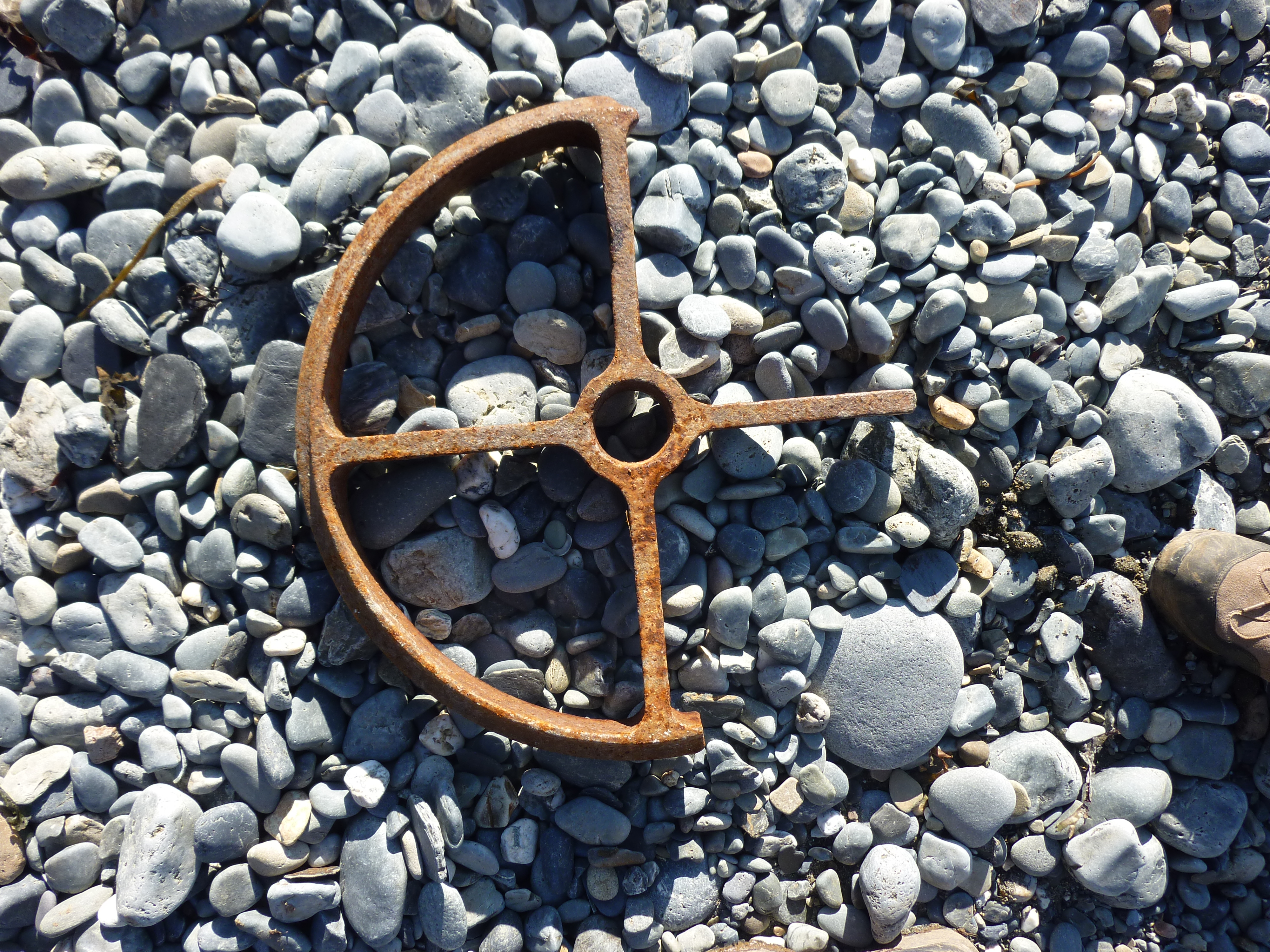 What about the house where Sun and Moon lived together? I see it as small and cosy, a bit like a cabin or a perhaps a one-room flat.
And how did Moon occupy herself when Sun went out on his visits? I think of her as polishing – endlessly polishing the house. I know this image presents what would be an entirely horrible and ignorant stereotype if it was generalised. Yet lots of women of my mother’s generation were completely devoted to their housework (there weren’t too many other opportunities for them), so I’ll stick with my stereotype for now.
And what would Sun be saying when he went to call on Moon? ‘Hello, hello! Any news?’ As for the dialogue that follows – well, you can imagine for yourself.
And what about the extensions? Patio, conservatory, loft, extra spare room, dining room, study?
And how long did the extensions take and exactly what was involved? Bricks, mortar, money, second mortgage, architectural plans?
As for Water, what else was in him? And what was it like when he made his visit? Perhaps Sun and Moon heard the sounds of water and maybe they sounded like sea you remember. The sound, to me, goes something like this: ‘Are you sure? Are you sure? Are you sure? Are you sure?’
As for Moon, what on earth could she say when she saw her house being ruined? And what did she feel when she jumped into the sky? How did her marriage with Sun adapt? Did they meet up again in the sky and, if they did, did they cause an eclipse? And were the stars in the sky their children?
Visualisation:
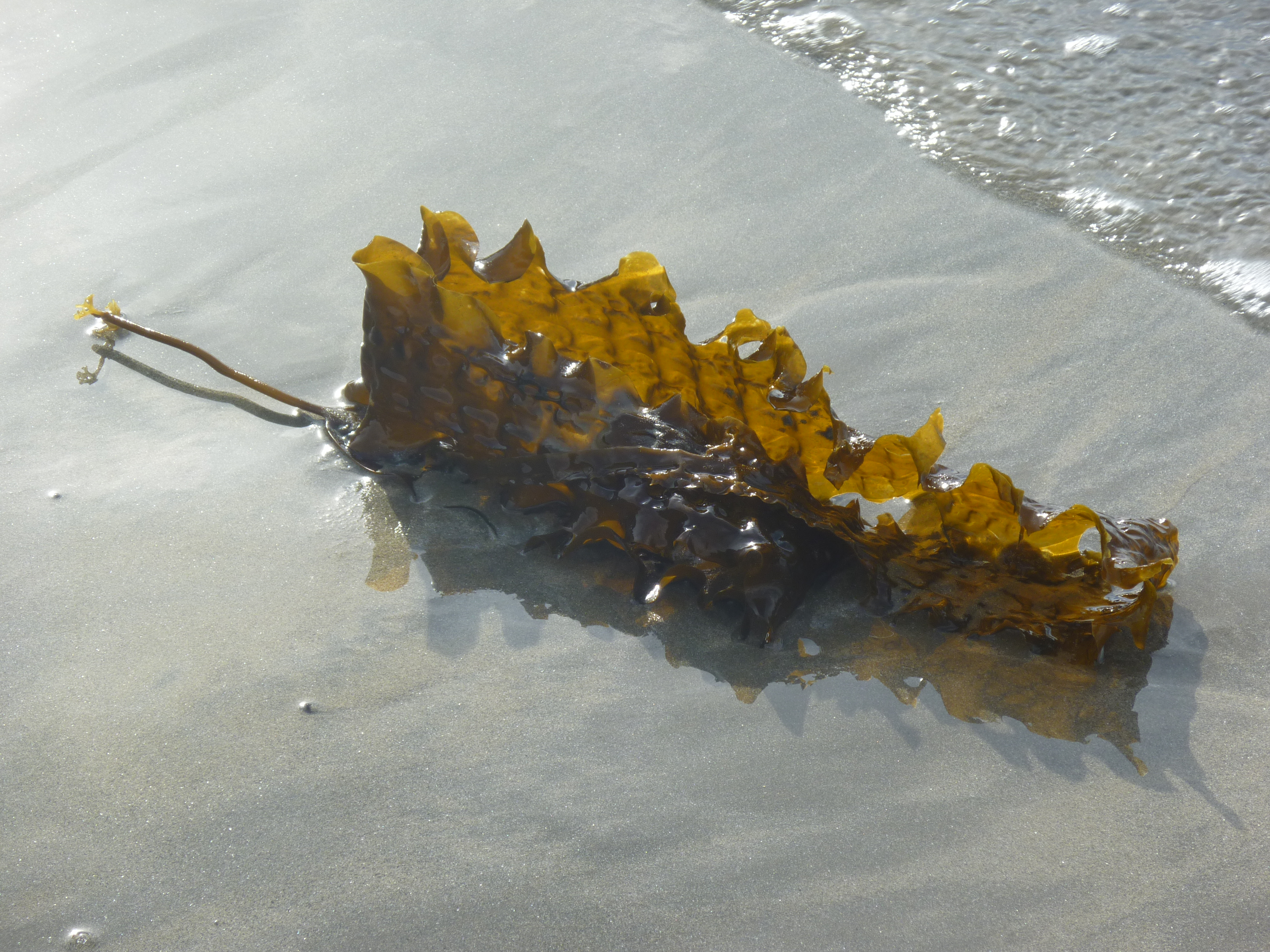 All the above questions (and their answers) are the result of visualisation, which is one of the key methods for remembering a story – and also working on how to present it. It’s in the visualisation that you find the mental pictures, the dialogue, the sights, the sounds and the opportunities to play with the story. Developing these calls on memory as well as imagination. It produces a veritable sea of results and it’s when you’re swimming around in that sea that you need to start drawing together a clear sense of the structure of your story. But more of that next week. Meantime, how do I deal with the visualisation?
One of my approaches to visualising a story is to start with a scene that intrigues me. No matter the type of story. No matter where I got it. I take my starting point from any scene in the story that intrigued me and that’s where I start my visualisation work. In the Sun and Moon story, for instance, it could easily, for me, be the moment when Water is approaching Sun and Moon’s house and about to push open the door. ‘Are you sure? Are you sure? Are you sure?’
Extending your visualisation:
Visualising is not confined to seeing. It’s what you can hear and touch and smell as well as what your emotions might be. It involves every one of the senses, including the kinetic sense of movement.
When you visualise a scene in this kind of depth, you gather a great deal more information than you could possibly use in a telling. But that’s one of the brilliant things about it. It gives you the confidence of having plunged deeply into the scenes of your story and feeling as though you’ve been immersed in it. Visualisation makes you feel you could not forget. It makes your memory work very deeply. As one ten-year old girl once described it, ‘It’s like going further back in your brain.’
Playing with visualisation:
Exploring a story in depth in a workshop can give you yet more information about that particular story. It can tell you how people respond to its characters and what they make of what happens. It can give you hints towards creating the dialogues that might occur in parts of the story as you hear what your workshop participants say when they’re recounting or reacting to a part of the story. Their sounds and phrases may then become part of your own retelling when you next tell the story.
With that group of ILEA psychologists, I got them to explore the story with me after I’d done the telling. One of the activities I introduced used a version of hot-seating. I invited volunteers to take on the parts of characters that were or could be in the story. So as well as Sun, Moon and Water, there was someone playing the part of House. Other characters included – well, I no longer remember. But the possibilities are fantastic. Fish? Whale? Tea-pot? As the characters addressed each other, I took the role of general referee and MC of the story and, as I’d hoped and expected, the game produced a huge amount of laughter and insight as different feelings came out in what the characters said. The exercise revealed how deeply the story is one about change. And that felt extremely apt. It was, after all, the final day of the organisation in which all those psychologists taking part had worked.
Next week: More on Memory Work
Links:
You can also read occasional blogs by me on the Early Learning HQ website. Early Learning HQ offers hundreds of free downloadable foundation stage and key stage one teaching resources. It also has an extensive blog section with contributions from a wide range of early years professionals, consultants and storytellers. For details of the Society for Storytelling, click here.
Tags: extending visualisation, hot-seating, How Sun and Moon Got Into The Sky, storymapping, workshop activities
January 15th, 2012 at 12:52 am
I remember this story and the workshop with you Mary – happy memories.
Very motivating and uplifting to read your blogs Mary. They cheer me up – thank you.