


Storytelling Starters ~Repertoire Refreshment 4: Happy end
What is a calumniated wife? You may well ask. In the terminology used by folklore scholars, it’s a wife who has been much wronged, spoken against with lies and bitterness and then sent away. One wife who suffered this fate was the mother of Valentine and Orson, vastly popular heroes of the French romance of the Middle Ages. Another calumniated wife is part of the beginning and end of the story I’ve been writing about here over the last few weeks.
How the story begins:
 There’s a mighty king, the King of Persia. His wife gets pregnant and gives birth to a son. All would be well except that the queen has two jealous sisters. They snatch the baby away, put it in a basket, push the basket down the river and tell the king his wife has given birth to a dog.
When the king’s wife gives birth a second time, it’s another son. The same thing happens. Now the jealous sisters tell the king his wife has given birth to a cat.
The third time the king’s wife is pregnant, she has a daughter. The jealous sisters do the same thing again and tell the king his wife has given birth to a mouse.
This time, the king is so appalled (as if his wife had deliberately wronged him!) that he has her taken away and imprisoned somewhere in the depths of the Palace. But meantime, each of the queen’s three babies has been rescued by the king’s gardener, the one who has been making that most beautiful garden. He and his wife take pity on each of the children in turn and bring them up. They are Fariz, Faruz and Farizad.
So that’s the start of it. Now for the end. You already know the middle.
How the story ends:
 When Farizad and her brothers return from their dangerous quest to find the Talking Bird, the Singing Tree and the Golden Water, these three things make the garden where they’ve grown up into the most perfect place it could be. The gardener and his wife have long since died and the three young people continue their life of seclusion, the brothers always guarding their beautiful sister.
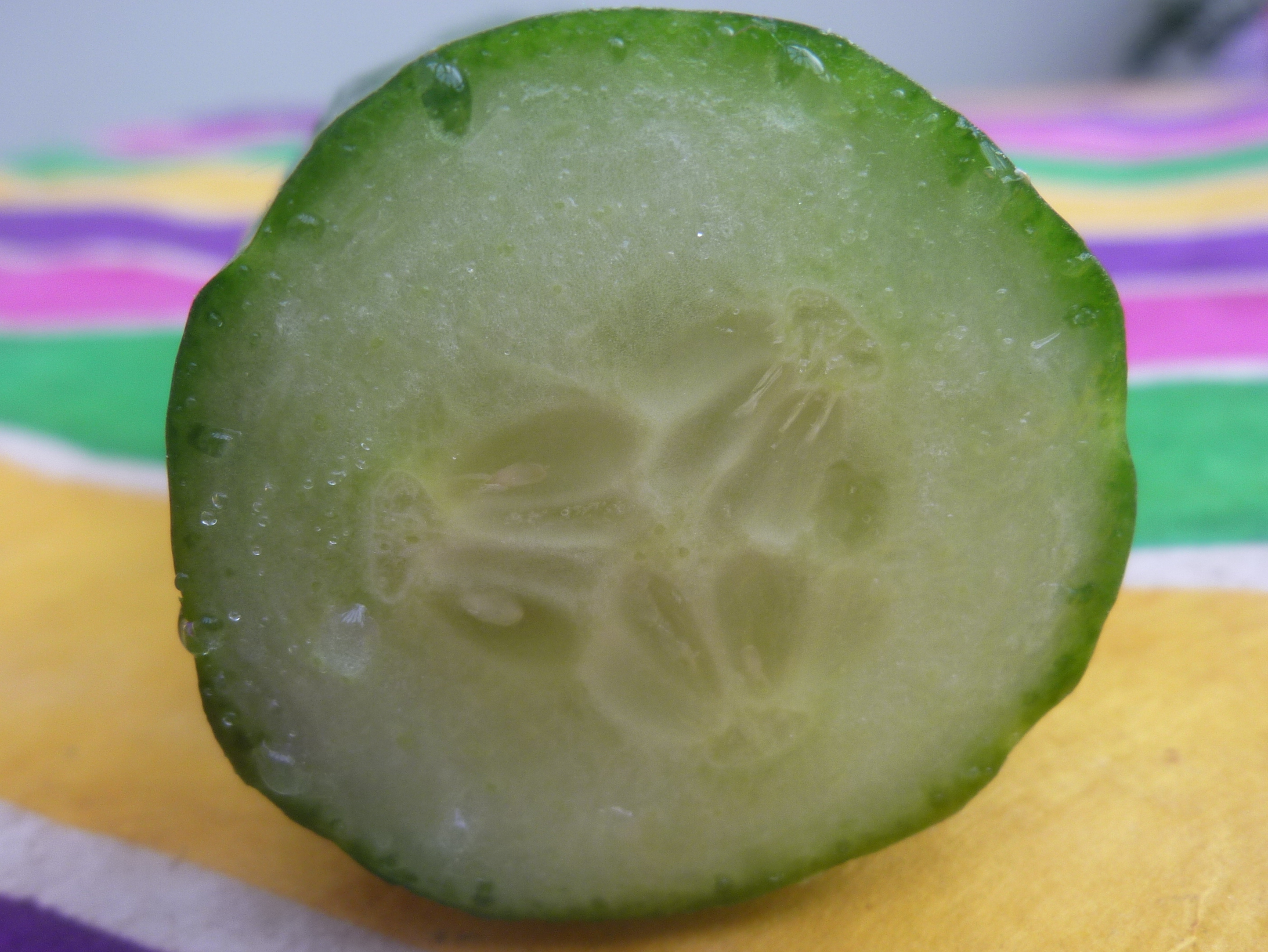
But one day when the brothers are out hunting, they happen to meet the king of the land. Impressed by them, the King asks if he may come to dinner with them. A-ha! When Farizad, unsure what to prepare for the feast, consults Bulbul the Talking Bird, Bulbul tells her that what she must serve is cucumbers stuffed with pearls. Nothing else.
Come the night of the dinner, the king is astonished. What’s this? Cucumbers stuffed with pearls? He loves cucumbers stuffed with nuts and spices but he can’t believe he is supposed to eat this. At this point, Bulbul the Talking Bird pipes up. If the king can believe that the Queen of Persia could give birth to a dog, a cat and a mouse, how can he be astonished by a mere dish of pearls? Bulbul tells him the truth of what has happened.
You can guess the rest. The story ends with the king deeply remorseful about what he has done but amazed and delighted to find his three children and to see their beauty. They all head off to the palace where the queen is brought out from her lonely prison. The two jealous sisters fall dead from rage and everyone else lives happily on until eventually when the king and queen pass away, the three children rule in their stead. As Naomi Lewis puts it at the end of her retelling: ‘Truly, a tale of marvels.’
Two remaining questions:
 So there we are – the bare bones of the Arabian Nights story that Naomi Lewis entitled The Tale of Farizad of the Rose’s Smile. I love the story but am not wholly sure if I can stomach the calumny that a high-born woman gives birth to creatures such as a dog, a cat and a mouse. That’s why I’ve been wondering if I might leave out the beginning and end of the tale. But could I do that? Would it feel right? I’m not entirely sure. I think I may have to try out the whole thing to see how it feels in practice. And if I tell it that way next week at St Stephen’s School, I’ll have to be extra careful to give space for my listeners to say what they think – what they liked, what they didn’t like. We might have to agree that people sometimes believe the most ridiculous things.
Then there’s this other little mystery. Until a few minutes ago, I’d been feeling a bit plagued by it. (But then, that’s me all over – I have to get the facts straight.) Why hadn’t the king ever visited his beautiful garden before? If he had – and surely he would have – might he not have spotted his three children when they were growing up? So I’ve checked back with Naomi Lewis’ book and learned an important fact. The garden where the story ends is NOT the king’s garden. It’s one the king had given to the gardener, together with his very own home, when the gardener reached old age. So that partly resolves the mystery except that we now don’t know where Farid, Faruz and Farizad had lived when they were children. Perhaps in a very small hovel the other side of the palace walls? We can’t be sure. We only know it must have been somewhere.
A last word of advice:
As always, it’s down to a story’s tellers to make sense of it as best they can. Best to do that, if possible, before any actual telling. For if there’s a question lurking in the background, someone’s sure to pick it up. When it’s a productive question, that’s all to the good. When it’s not good is when it confuses the story and throws the storyteller off his or her balance. Good luck!
February 22nd, 2015 at 11:30 am
Thank you for sharing this rich, beautiful and tragic story, with its underpinning of kindness and overtones of the misuses of power, of jealousy, of vulnerable women’s roles in the state and their involvement in heredity issues – and interesting that you should be telling this story while the BBC Wolf Hall audience is grappling with some of these familiar problems. Perhaps the answer to your dilemma about whether to tell the whole story might lie, as you say, in giving the children at St.Stephen’s time to consider the elements of the story (and perhaps asking their teacher to carry on the discussion long after your visit has ended, when new thoughts will emerge).