


Storytelling Starters ~ What’s to be done?
Anger comes in many modes. Rage, crossness, outrage, fury. There’s also the kind that’s angry and sad all at once. And that’s the kind of anger I’m feeling right now. The reason for it is a particular story that has been gathering momentum for a while and is currently going on all around us. Yesterday morning I heard another example of it. A University degree course in Early Years studies that has been running an excellent module in stories and storytelling for a long number of years is in the process of being reformulated. And guess what? As things look at the moment, the stories and storytelling module will no longer exist in its own right. Why not? What ever can be the justification for that?
The loss:
 So much has been gained since the 1980s when oral storytelling began its revival in this country. So much is now being lost. For it’s far from being just me observing the diminution of storytelling in education that is currently occurring. Most of my storytelling colleagues in this country will say the very same thing. Bookings and projects have dropped almost to nothing. And I don’t think the reason is that teachers have suddenly, en masse, taken over the storytelling and all the creative work that comes from it. Funding cuts have of course made a big difference. More serious is current education’s focus on targets, the pressure to do well in tests at all levels and, specifically, a much more mechanistic approach to learning to read and to books and what they are for. Phonics triumphs. Imagination withers.
‘Your stories are better than my teacher’s at school.’ I’ve reported that remark before. It’s what a young boy in my extended family said to me a while back. He has continued to benefit from our storytelling together. But why doesn’t he get that kind of pleasure at school? Granted, it does take some preparation and a real sense of involvement to engage children in stories. But it’s not rocket science. See the look on their faces. Know when they’re getting into the story. Work on the evidence in front of your eyes. Use sound and action and interesting props. Most of all, love your story. And tell the story out of your own commitment to language and imagination and, most of all, to the people to whom you’re telling it.
The gains:
I think of the boy who never spoke until the day when, evidently so moved by the story I was telling, he leaned forward, pointed at the yellow moon on the page, and in a cracked voice said, ‘Moon, moon.’ On this occasion, yes, I was using a picture-book so technically I was reading not telling, except that a picture-book cannot always tell itself. You have to do with it what storytellers do and on this occasion, the effect was redoubled when the boy came out to me afterwards and insisted on going over the whole book again.
I also think with real satisfaction of all the teachers who have visibly grown in confidence and vigour after starting to tell stories to their own classes following one or other storytelling course they’ve attended. As if in counterpoint to that, I remember too the not inconsiderable number of teachers who have regretfully said to me after a storytelling session I’ve done with their class, ‘This is the kind of thing that brought me into teaching.’
In my thoughts besides are all the parents who have talked about gaining a new sense of communication with their children and, in turn, feel a new sense of respect from them after being prompted to start telling them stories by one or other storytelling workshop or course. Sometimes it only takes a day or even a half-day course to bring this kind of thing about though, of course, the art and practice of storytelling is a subject that has enough in it to give material for much, much longer.
Such evidence as the above is anecdotal. But I have a profound belief that anecdotal evidence is precisely what is needed in regard to what storytelling achieves. It gets to the heart of the matter.
What’s to be done?
 So what can be done about the losses now being experienced? Should we storytellers just give up in the face of a changing world where SATs and targets are deemed more important than stories? Or should we be pooling our views and our experience and communicating them to the powers-that-be? What is the Society for Storytelling, this country’s representative body for oral storytelling, doing about the situation? Isn’t it time for a major campaign like the one that took place under the aegis of the SfS back in 1996 and 1997? What should I be doing myself? It’s a question that returns to plague me.
Any ideas and responses from you would be welcome, dear reader, for as all storytellers know, the sharing of ideas and experience lightens the burdens of living and renews a sense of purpose.
Photos:
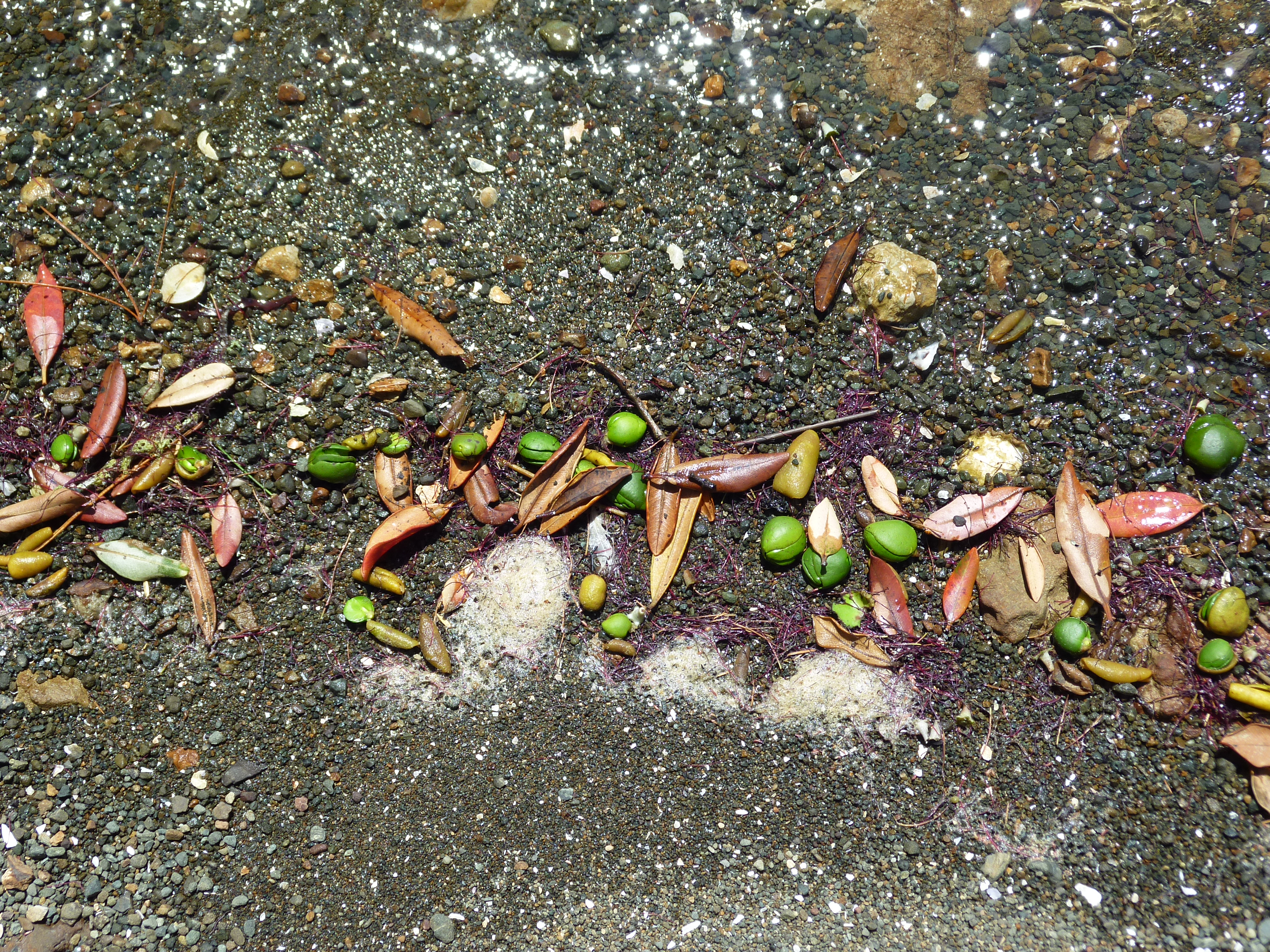
My photos this week are of seed-pods I saw in New Zealand. You may ask why. But the answer is obvious because if seeds aren’t nurtured, how can they grow into healthy plants?
Tags: anecdotal evidence, loss, SATs, targets
January 16th, 2016 at 1:27 pm
Dear Mary – All week I’ve thought about what you’ve said here and shared your sadness – I have no answers and only small amounts of comfort to offer. And as a storyteller I do know, that ‘the sharing of ideas and experience lightens the burdens of living and renews a sense of purpose.’ I have seen children parents teachers amazed and invigorated by a story and the images it creates in their imagination – and full of excitement that there are many stories and many adventures and experiences to share.
Children and adults need creativity and stories to be healthy – yes i agree
But what to do – still pondering Mary – still telling stories.
Love Jean x