


Storytelling Starters ~ Message of love
 Unless you’re Welsh, you probably don’t know what special day it is tomorrow, 25th of January. Nor would you be likely to work out why on earth I’ve associated it with the birds I photographed in my local park this week.
The link:
Birds are messengers of love in mediaeval Welsh poems and many Welsh folk-songs. The messages they carry are known as llatai. And the 25th January is the day of Santes Dwynwen, Saint Dwynwen. It’s the Welsh equivalent of St Valentine’s Day. So it’s a day for perhaps commandeering a bird to deliver a love-letter for you.
But I have to admit that the story of Dwynwen is all a bit odd as that of someone who symbolises love. Love in her story is unrequited, it leads to terrible things and Dwynwen herself ends her life, by choice, alone in a nunnery of her own making on an uninhabited piece of land which gets cut off from the mainland whenever there is a high tide.
The story:
Dwynwen was the daughter of Brychan and, according to three prayers in a 15th century missal, she fled across the sea from Wales to Ireland out of fear of Maelgwn Gwynedd, who is one of the characters in the Mabinogion.
The main story about her was told by Iolo Morgannwg who was always a bit of a trickster. It says Dwynwen had fallen in love with a man called Maelon. Alas, when Maelon broke off their engagement, Dwynwen’s heart was broken and Maelon was punished by God by being turned into a block of ice. And a block of ice he would have remained had Dwynwen not also received three wishes from God by way of compensation. The first wish she made was that the block of ice be thawed, thus turning Maelon back into a man.
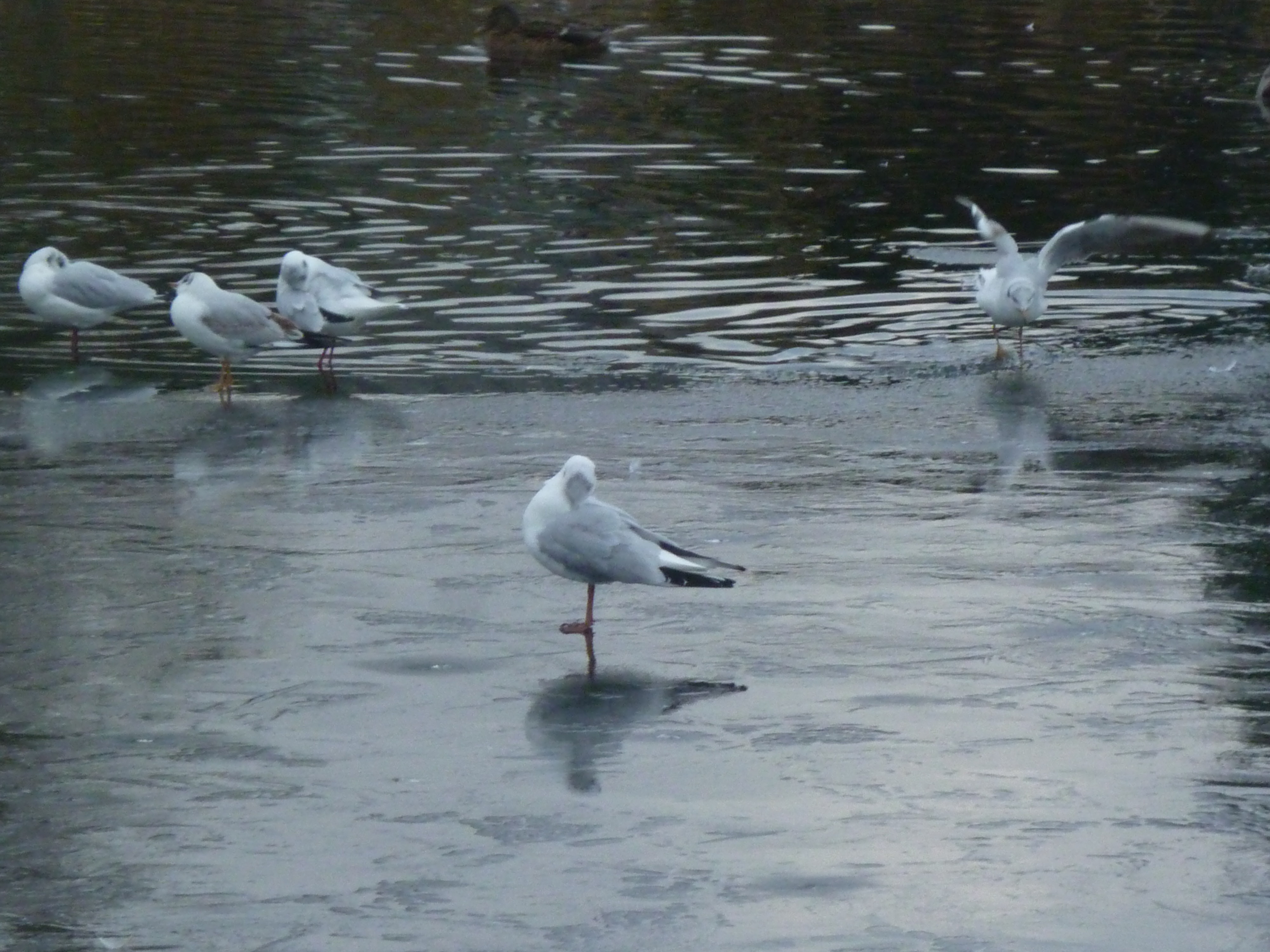 The second of Dwynwen’s wishes was that she be enabled to hear the prayers of anyone suffering a love that was not requited. And the third was that thereafter she might live alone as a nun on the uninhabited headland now known as Llanddwyn. I’ve read that if you go there (which I’ve not done), you’ll be at the site of her shrine. In that place, evidently, are the ruins of a church and also a lighthouse that was built in 1846. Apart from serving its function as a warning for those at sea, maybe the lighthouse is also a cheerful sign, a symbol of hope for those in love who are hoping their love can take flight.
So please tomorrow pay a thought to Dwynwen and take notice of any bird you happen to see. Whether taking a rest or in the air, who knows, it might be a bird on a special mission with a message of love.
Tags: 25 January, bird, Dwynwen, llatai